High cholesterol is one of the most common silent health concerns affecting adults in the UK and globally. When levels of LDL cholesterol rise too high, it increases the risk of heart disease, stroke, and poor cardiovascular function over time. Many people are now looking for safe and sustainable ways to improve their health without immediately relying on medication, which is why learning how to reduce cholesterol naturally has become increasingly important in modern preventive healthcare.
The good news is that cholesterol levels are highly responsive to lifestyle choices. Simple daily changes in diet, movement, and habits can significantly improve LDL and HDL balance. When you consistently reduce cholesterol naturally, you are not just improving blood test results—you are actively supporting long-term heart health, energy levels, and overall wellbeing. This article explores practical, science-informed methods that are easy to follow and maintain.
Understanding Cholesterol and LDL
Cholesterol is a waxy, fat-like substance that the body needs to build cells and produce hormones. However, problems arise when LDL (low-density lipoprotein), often referred to as “bad cholesterol,” becomes elevated. LDL can stick to artery walls, gradually forming plaque that restricts blood flow. This is why managing cholesterol levels is essential for preventing cardiovascular disease and maintaining healthy circulation.
HDL (high-density lipoprotein), known as “good cholesterol,” plays a protective role by removing excess cholesterol from the bloodstream. A healthy balance between LDL and HDL is crucial. When people aim to reduce cholesterol naturally, the focus is not only on lowering LDL but also on improving overall lipid balance to support heart efficiency and reduce long-term health risks.
Causes of High Cholesterol
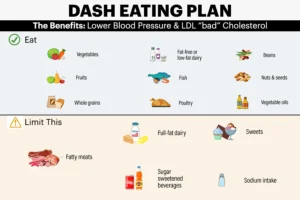
One of the primary causes of high cholesterol is a diet high in saturated and trans fats. Foods such as fried meals, processed snacks, fatty meats, and full-fat dairy products contribute directly to increased LDL levels. Over time, these eating habits make it harder to reduce cholesterol naturally, especially if they are combined with low fibre intake and poor hydration habits.
Lifestyle factors also play a major role. Lack of exercise slows down metabolism and reduces the body’s ability to regulate cholesterol effectively. Smoking damages blood vessels and lowers HDL levels, while excessive alcohol intake can increase triglycerides. Genetics can also influence cholesterol levels, meaning some individuals may need more structured strategies to reduce cholesterol naturally even if they maintain a relatively healthy lifestyle.
Diet Strategies to Lower LDL Naturally
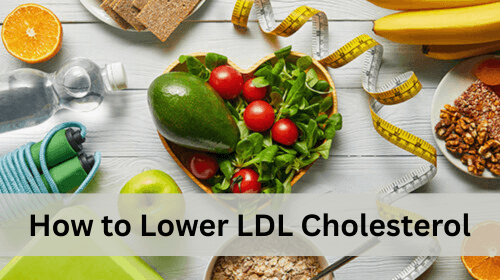
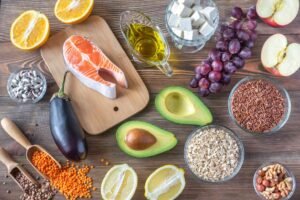
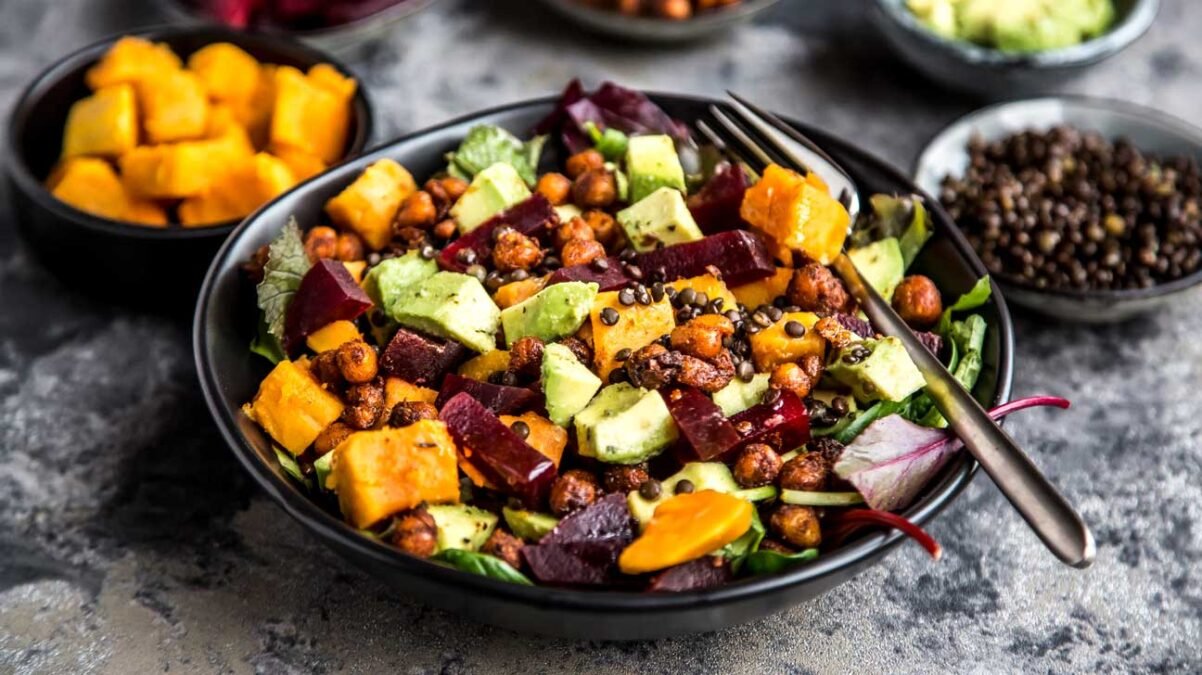
Diet is the most powerful tool for anyone trying to improve heart health. Increasing soluble fibre intake is one of the most effective ways to reduce cholesterol naturally, as it helps prevent cholesterol absorption in the digestive system. Foods such as oats, barley, beans, lentils, apples, and pears are particularly beneficial for this purpose and should be included regularly in daily meals.
Healthy fats also play a critical role in improving cholesterol levels. Replacing butter and processed oils with olive oil, nuts, seeds, and avocado helps support cardiovascular health. Fatty fish such as salmon and mackerel provide omega-3 fatty acids, which reduce inflammation and support healthy blood vessels. When combined properly, these dietary changes create a strong foundation to reduce cholesterol naturally over time.
Lifestyle Changes for Heart Health
Regular physical activity is essential for maintaining healthy cholesterol levels. Activities such as brisk walking, cycling, swimming, or light jogging for at least 30 minutes a day can help raise HDL while lowering LDL. Consistent exercise improves circulation and metabolism, making it one of the most reliable ways to reduce cholesterol naturally without medical intervention.
Other lifestyle habits also contribute significantly. Maintaining a healthy weight improves the body’s ability to regulate cholesterol effectively. Even a modest weight loss of 5–10% can lead to noticeable improvements. Additionally, quitting smoking and reducing alcohol intake further enhances heart health, making it easier for the body to maintain balanced cholesterol levels and support long-term cardiovascular function.
Faster Natural Improvements for Cholesterol Balance
Although cholesterol reduction is typically a gradual process, certain actions can help accelerate results. To reduce cholesterol naturally more quickly, it is important to immediately reduce saturated fat intake and replace unhealthy foods with fibre-rich alternatives. This helps the body adjust its cholesterol processing more efficiently within a short time frame.
Increasing daily activity, improving hydration, and reducing processed sugar intake can also support faster progress. Many people begin noticing improvements within a few weeks when they combine these habits consistently. While results vary depending on individual health conditions, maintaining discipline is key to achieving noticeable improvements and successfully working to reduce cholesterol naturally over time.
Conclusion
Improving cholesterol levels is not about quick fixes but about building long-term healthy habits. When you consistently reduce cholesterol naturally, you are making meaningful changes that support your heart, metabolism, and overall quality of life. A balanced approach that includes a nutrient-rich diet, regular exercise, and mindful lifestyle choices is the most effective way to achieve lasting results.
Ultimately, the goal is not only to lower LDL but to create a sustainable lifestyle that prevents future health risks. By focusing on consistency rather than perfection, anyone can successfully improve their cholesterol profile. Choosing to reduce cholesterol naturally empowers individuals to take control of their health and build a stronger foundation for long-term wellbeing.
You may also read: Symptoms and Signs of High Blood Pressure