Understanding the early signs of heart disease is essential for maintaining long-term health and preventing serious complications. Heart disease remains one of the leading causes of death globally, yet many cases can be managed or even prevented with timely awareness. The body often gives subtle warnings before a major cardiac event, and recognizing these signals early can make a life-saving difference.
Many individuals overlook mild symptoms such as fatigue or slight discomfort, assuming they are caused by stress or daily routine. However, these seemingly minor changes can indicate underlying heart problems. By paying attention to the early signs of heart disease, you can take proactive steps, seek medical advice sooner, and significantly reduce the risk of severe outcomes.
What Is Heart Disease
Heart disease is a broad term that describes various conditions affecting the heart and blood vessels. These conditions can disrupt the normal functioning of the heart, limiting its ability to pump blood effectively throughout the body. Understanding what heart disease is helps individuals recognize the seriousness of early symptoms and the importance of timely care.
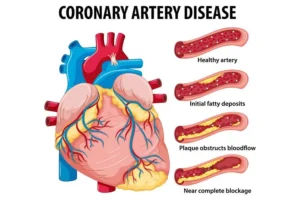
Common forms include Coronary heart disease, where arteries supplying blood to the heart become narrowed or blocked, and Ischemic heart disease, which occurs when the heart muscle does not receive enough oxygen-rich blood. Other types, such as Congenital heart disease and Valvular heart disease, show that heart disease can arise from different causes, making awareness even more critical.
Why Early Detection Matters
Recognizing the early signs of heart disease allows for timely intervention, which can prevent the progression of serious conditions. When detected early, heart disease can often be managed through lifestyle changes, medications, or minor medical procedures. Early detection reduces the likelihood of complications such as heart attacks, strokes, or chronic heart failure.
Delaying medical attention can worsen the condition and limit treatment options. Many individuals wait until symptoms become severe, which can lead to irreversible damage. By understanding and acting on the early signs of heart disease, individuals can protect their health, improve their quality of life, and reduce long-term healthcare risks.
Common Early Signs of Heart Disease

The early signs of heart disease often begin with symptoms that may seem harmless at first. Chest discomfort is one of the most recognized warning signs and may feel like pressure, tightness, or burning. Shortness of breath, even during light activity or rest, can indicate that the heart is struggling to supply enough oxygen to the body.
Other symptoms include unusual fatigue, dizziness, and irregular heartbeats. Some individuals experience swelling in the legs or ankles due to fluid buildup, while others notice pain spreading to the arms, neck, or jaw. These warning signs should not be ignored, as they may signal the early stages of a serious heart condition.
Hidden Symptoms That Are Often Overlooked
Not all early signs of heart disease are obvious or dramatic. Some people experience subtle symptoms such as mild indigestion, nausea, or a persistent cough. These signs are often mistaken for less serious conditions, leading to delays in diagnosis and treatment. Recognizing these hidden symptoms is essential for early intervention.
Conditions like Ischemic heart disease can develop gradually, presenting with vague or mild symptoms that are easy to dismiss. Paying close attention to changes in your body, even if they seem minor, can help identify potential heart issues before they become severe.
Heart Disease Symptoms in Women vs Men
Heart disease does not always present the same way in men and women. While men are more likely to experience classic symptoms such as chest pain, women often report less obvious signs. These can include fatigue, nausea, dizziness, and discomfort in the back, neck, or jaw, which are sometimes overlooked or misdiagnosed.
Understanding these differences is crucial for early diagnosis. Women, in particular, should be aware that the early signs of heart disease may not always involve severe chest pain. Recognizing gender-specific symptoms can lead to faster treatment and better health outcomes.
What Causes Heart Disease
Heart disease is often caused by a combination of lifestyle habits and medical conditions. Poor diet, lack of physical activity, smoking, and excessive alcohol consumption can all contribute to the development of heart problems. Over time, these factors can lead to plaque buildup in the arteries, restricting blood flow.
Medical conditions such as high blood pressure, diabetes, and obesity also increase the risk. Genetic factors may play a role, especially if there is a family history of heart disease. Understanding these causes helps individuals take preventive measures and remain alert to the early signs of heart disease.
Key Risk Factors to Be Aware Of
Several risk factors increase the likelihood of developing heart disease. Age and family history are significant factors that cannot be controlled, but lifestyle choices play a major role in overall heart health. Smoking, poor diet, and lack of exercise are among the most common contributors.
High cholesterol levels, chronic stress, and unmanaged medical conditions further increase risk. Being aware of these factors allows individuals to make informed decisions and adopt healthier habits. Monitoring these risks alongside the early signs of heart disease can help prevent serious complications.
When to Seek Medical Help
Recognizing when to seek medical help is crucial for preventing severe heart conditions. If you experience persistent symptoms such as chest discomfort, shortness of breath, or unusual fatigue, it is important to consult a healthcare professional as soon as possible.
Emergency symptoms, including intense chest pain, difficulty breathing, or pain spreading to the arm or jaw, require immediate medical attention. Acting quickly can prevent life-threatening complications and significantly improve survival rates. Never ignore the early signs of heart disease, as timely action can save lives.
Diagnosis and Testing
Doctors use a variety of diagnostic tools to identify heart disease and assess its severity. Tests such as electrocardiograms (ECG), blood tests, and stress tests help evaluate heart function and detect abnormalities. These tests are essential for confirming the presence of heart-related conditions.
Advanced imaging techniques like echocardiograms and angiography provide detailed insights into blood flow and heart structure. Early diagnosis using these methods allows for effective treatment planning and helps address the early signs of heart disease before they progress.
Treatment Options for Heart Disease
Treatment for heart disease depends on the type and severity of the condition. Lifestyle changes are often the first step, including adopting a healthy diet, increasing physical activity, and quitting smoking. These changes can significantly improve heart health and reduce symptoms.
Medications may be prescribed to manage blood pressure, cholesterol levels, and heart rhythm. In more advanced cases, procedures such as angioplasty or bypass surgery may be required. Early treatment is highly effective, especially when the early signs of heart disease are recognized promptly.
Prevention and Healthy Lifestyle Tips
Preventing heart disease starts with making healthier lifestyle choices. A balanced diet rich in fruits, vegetables, and whole grains supports heart health, while regular exercise helps maintain a healthy weight and improves circulation. Avoiding smoking and limiting alcohol intake are also crucial steps.
Regular health checkups and monitoring blood pressure and cholesterol levels can help detect problems early. Staying informed about the early signs of heart disease and maintaining a proactive approach to health can significantly reduce the risk of developing serious conditions.
Conclusion
The early signs of heart disease are often subtle but should never be ignored. From chest discomfort to unexplained fatigue, these symptoms provide important clues about your heart health. Recognizing them early allows for timely intervention and better treatment outcomes.
By understanding the causes, risk factors, and preventive measures, individuals can take control of their cardiovascular health. Staying aware, making healthy choices, and seeking medical advice when needed can help prevent serious complications and ensure a healthier future.
You may also read: Healthy Heart Diet for Long-Term Cardiovascular Wellness