Heart disease remains one of the most serious global health challenges, affecting millions of people every year across different age groups and lifestyles. Understanding heart disease risk factors is essential because many cases develop silently over time without obvious symptoms. These risks often build gradually due to daily habits, medical conditions, and genetic influences, making awareness and early prevention extremely important for long-term heart health and survival.
The importance of recognizing heart disease risk factors lies in the fact that most cardiovascular conditions can be delayed or even prevented with the right lifestyle choices. Poor diet, lack of exercise, smoking, and unmanaged stress are some of the most common contributors. By identifying these risks early, individuals can take proactive steps to reduce the chances of developing serious heart-related complications later in life.
Understanding Heart Disease and Types
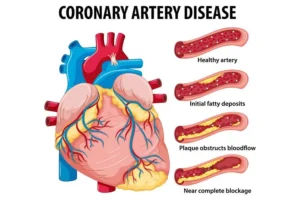
Heart disease refers to a group of conditions that affect the heart’s structure, function, and blood flow. These conditions include narrowed arteries, irregular heartbeat, and weakened heart muscles. One of the most common forms is coronary artery disease, where plaque builds up in the arteries, reducing oxygen supply to the heart and increasing the likelihood of heart attacks or chest pain.
Different types of heart disease include congenital heart disease, hypertensive heart disease, and valve disorders. For example, Coronary Heart Disease and Ischemic Heart Disease occur when blood flow is restricted due to blocked arteries. All these conditions are closely linked to heart disease risk factors, which influence how and when these diseases develop in the human body.
Major Heart Disease Risk Factors
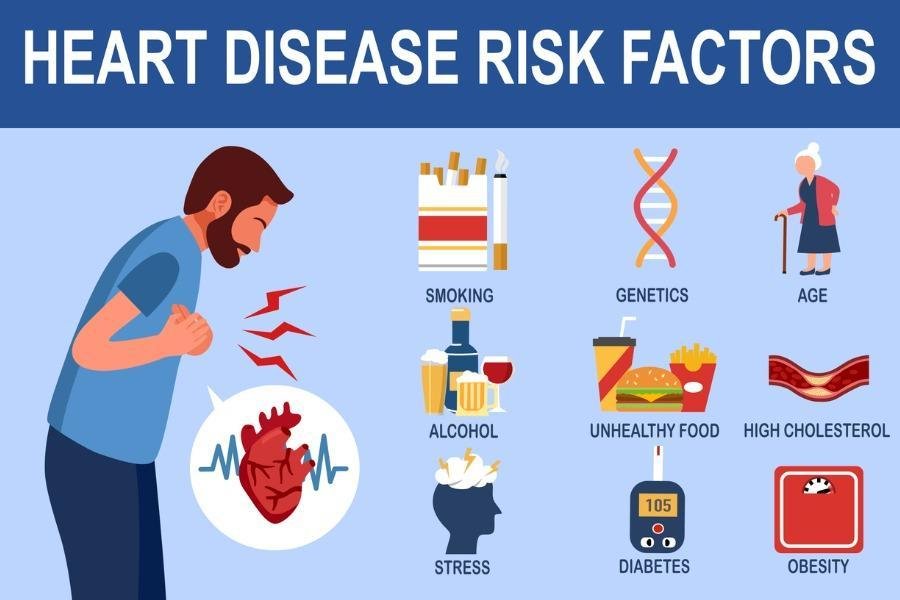
The most important heart disease risk factors include unhealthy lifestyle habits such as smoking, poor diet, physical inactivity, and excessive alcohol consumption. These behaviors directly impact cholesterol levels, blood pressure, and body weight. Over time, they place continuous stress on the cardiovascular system, making the heart weaker and more vulnerable to serious diseases.
Medical and genetic influences also play a major role in heart disease risk factors. Conditions such as diabetes, high cholesterol, and hypertension significantly increase the risk of heart complications. In addition, age, gender, and family history cannot be changed but still strongly affect an individual’s likelihood of developing heart disease, making regular monitoring essential.
Causes of Heart Disease
Heart disease develops mainly due to the gradual buildup of fatty deposits in the arteries, a condition known as atherosclerosis. This buildup restricts blood flow and reduces oxygen supply to the heart muscle. Over time, this process leads to chest pain, reduced heart efficiency, and in severe cases, heart attacks or long-term cardiac damage.
Another major cause is chronic high blood pressure, which forces the heart to work harder than normal. When combined with other heart disease risk factors, such as smoking or unhealthy eating, the risk becomes significantly higher. Conditions like inflammation and prolonged stress further damage blood vessels, increasing the chances of developing serious heart conditions such as Hypertensive Heart Disease.
Symptoms and Early Warning Signs
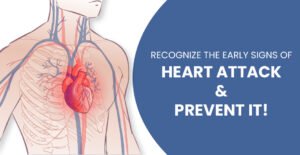
Early symptoms of heart disease are often subtle but should never be ignored. Common signs include chest discomfort, shortness of breath, fatigue, and irregular heartbeat. These symptoms indicate that the heart may not be receiving enough oxygen-rich blood. Recognizing these early warning signs is crucial for addressing heart disease risk factors before they progress into more severe conditions.
In some cases, symptoms may vary between men and women. Women may experience nausea, jaw pain, or extreme fatigue instead of typical chest pain. These differences make awareness even more important. Ignoring early symptoms can allow heart disease risk factors to progress silently, increasing the likelihood of serious complications such as heart attacks or stroke.
Diagnosis and Medical Evaluation
Diagnosing heart disease involves a combination of medical tests and physical evaluations. Doctors often use ECGs, blood tests, stress tests, and imaging techniques to understand how well the heart is functioning. These tools help detect abnormalities in heart rhythm, blood flow, and structural damage, allowing early intervention and better treatment planning.
Early diagnosis plays a vital role in managing heart disease risk factors effectively. When detected in time, many conditions can be controlled with lifestyle changes and medication. Medical evaluation also helps identify hidden issues that may not yet show symptoms, reducing the risk of severe complications and improving long-term heart health outcomes.
Treatment, Management and Prevention
Treatment for heart disease often begins with lifestyle modifications. Improving diet, increasing physical activity, quitting smoking, and reducing stress are essential steps in controlling heart disease risk factors. These changes help lower blood pressure, improve cholesterol levels, and strengthen overall heart function over time.
In more advanced cases, medications and medical procedures may be required to restore proper heart function. Treatments such as angioplasty or bypass surgery help improve blood flow to the heart. Long-term management focuses on controlling underlying conditions like diabetes and hypertension while continuously addressing heart disease risk factors to prevent future complications.
Prevention is the most effective approach to heart health. A balanced diet rich in fruits, vegetables, and whole grains, combined with regular exercise, can significantly reduce the risk of heart disease. Managing stress and maintaining healthy sleep patterns also play a crucial role in lowering heart disease risk factors, ensuring a healthier and longer life.
Final Thoughts on Heart Health Awareness
Understanding and managing heart disease risk factors is essential for preventing one of the world’s leading causes of death. By recognizing causes, symptoms, and preventive strategies, individuals can take control of their heart health and reduce long-term risks. Awareness is the first and most powerful step toward prevention.
A healthier lifestyle combined with regular medical checkups can dramatically reduce the impact of heart disease. When people actively address heart disease risk factors, they improve not only their heart health but also their overall quality of life. Small daily changes today can create a stronger and healthier future tomorrow.
You may also read: Silent, Atypical, and Severe Warning Signs