Managing diabetes has become far more advanced than it was a decade ago. Traditional blood sugar testing methods often required repeated finger-prick checks throughout the day, making glucose monitoring uncomfortable and difficult for many people. Today, continuous glucose monitoring offers a more convenient and intelligent approach by delivering real-time glucose readings directly to a smartphone or monitoring device. This technology helps users understand how their body reacts to food, exercise, stress, medication, and sleep patterns with greater accuracy.
The growing popularity of continuous glucose monitoring devices is largely connected to their ability to improve blood sugar awareness and support healthier decision-making. Instead of depending on occasional glucose checks, users can follow live glucose trends every few minutes. This allows people with diabetes to take faster action when glucose levels rise or fall unexpectedly. As healthcare technology continues to evolve, many experts now consider CGMs one of the most important innovations in diabetes management and preventive health monitoring.
What Is a Continuous Glucose Monitor and How Does It Work?
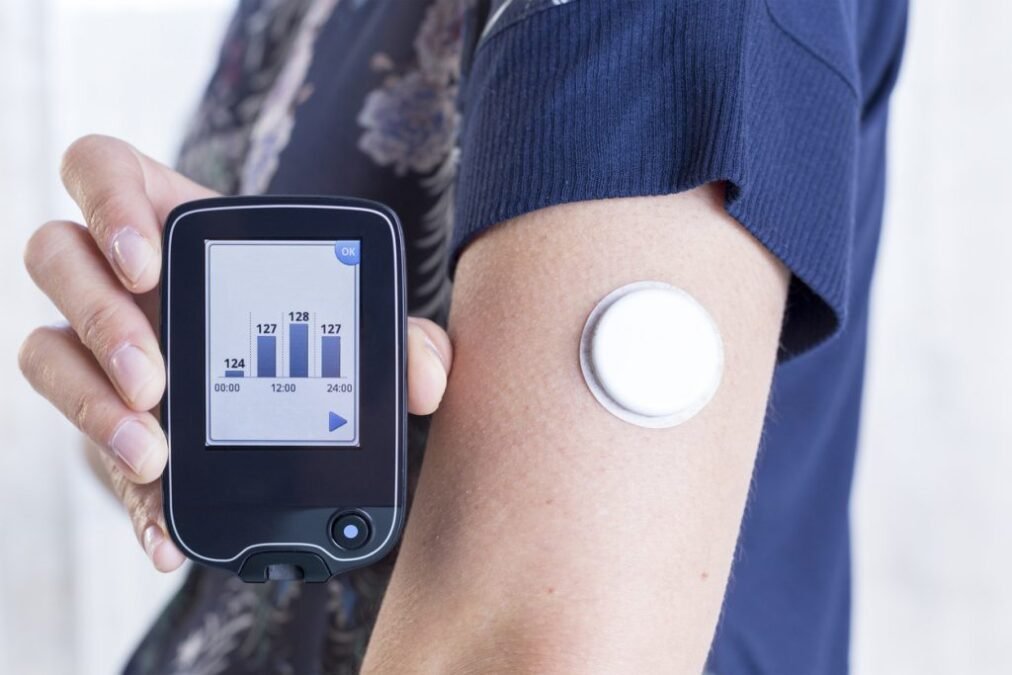
A continuous glucose monitor, commonly called a CGM, is a wearable medical device designed to track glucose levels throughout the day and night. The system typically includes a small sensor placed under the skin, a transmitter, and a receiver or smartphone application. The sensor measures glucose levels in the fluid beneath the skin and sends updates automatically every few minutes. This constant stream of information provides users with a more complete understanding of their glucose patterns than standard blood glucose meters.
Unlike traditional monitoring methods that only show glucose levels at a single moment, continuous glucose monitoring helps users recognize patterns and trends over time. For example, a CGM can reveal how certain meals increase blood sugar or how exercise lowers glucose levels after physical activity. Many continuous glucose monitoring devices also include alerts that notify users when glucose becomes dangerously high or low. These features improve safety, reduce uncertainty, and support better long-term glucose management.
Better Blood Sugar Control Through Real-Time Data
One of the most important continuous glucose monitor benefits is the ability to maintain better blood sugar control through immediate feedback. Real-time glucose readings help users make informed choices about meals, insulin doses, and physical activity without relying on guesswork. Instead of waiting until symptoms appear, users can respond quickly to glucose changes before they become serious health concerns. This proactive approach supports healthier glucose stability throughout the day.
Continuous glucose monitoring also helps many users improve important health measurements such as HbA1c and Time in Range (TIR). HbA1c reflects average blood sugar levels over several months, while TIR measures how often glucose remains within a healthy range. Studies consistently show that people who use continuous glucose monitoring devices often achieve better glucose control and experience fewer dangerous blood sugar fluctuations. These improvements may lower the risk of long-term diabetes complications affecting the heart, kidneys, nerves, and eyes.
Fewer Finger Pricks and Greater Daily Comfort

Traditional blood glucose testing often requires several painful finger-prick tests every day, which can become physically and emotionally exhausting over time. One of the most appreciated continuous glucose monitor benefits is the significant reduction in routine finger-stick testing. Most CGMs automatically provide glucose readings throughout the day, allowing users to check their levels with a quick glance at their smartphone or receiver instead of interrupting daily activities for manual testing.
This convenience improves both comfort and consistency in diabetes management. Many people avoid frequent glucose testing because finger-prick methods can feel inconvenient or uncomfortable, especially during work, travel, or social situations. Continuous glucose monitoring devices simplify the process and encourage users to stay more engaged with their health. Greater accessibility to glucose information often leads to better awareness, faster responses to changes, and improved confidence in daily diabetes care.
Real-Time Alerts Help Prevent Dangerous Glucose Changes
Another major advantage of continuous glucose monitoring is the alert system built into many modern CGMs. These alerts warn users when blood sugar levels become too high or too low, allowing them to take immediate action before symptoms worsen. This feature is especially important during sleep, exercise, driving, or busy schedules when glucose changes might otherwise go unnoticed. Real-time notifications provide an added layer of safety that traditional testing methods cannot offer.
For people living with Type 1 diabetes or individuals who use insulin regularly, severe hypoglycemia can become a life-threatening emergency if left untreated. Continuous glucose monitoring devices help reduce this risk by notifying users early enough to respond quickly. Parents caring for children with diabetes also benefit from remote monitoring features that allow them to track glucose levels from another device. These capabilities improve peace of mind and reduce anxiety related to unexpected blood sugar emergencies.
Continuous Glucose Monitor Benefits for Active Lifestyles
Physical activity plays a major role in maintaining healthy blood sugar levels, but exercise can sometimes cause unpredictable glucose fluctuations. Continuous glucose monitoring allows users to see how workouts affect their glucose levels in real time, helping them make smarter decisions before, during, and after physical activity. This information can reduce the risk of exercise-related glucose crashes while improving overall performance and recovery.
Athletes, fitness enthusiasts, and individuals focused on general wellness increasingly use continuous glucose monitoring devices to better understand their bodies. Some people use CGMs to monitor how hydration, sleep quality, meal timing, and training intensity influence glucose responses. These insights can support more personalized nutrition and exercise plans. Even individuals without diabetes are beginning to explore continuous glucose monitor benefits as part of broader metabolic health awareness and performance optimization.
Long-Term Insights Improve Diabetes Management
One of the strongest advantages of continuous glucose monitoring is the ability to collect detailed health data over time. CGMs continuously record glucose readings and create reports that reveal important trends connected to meals, medications, stress, sleep, and daily routines. These reports help users identify patterns that may not be visible through occasional blood sugar testing. Better understanding of these patterns often leads to more effective lifestyle and treatment adjustments.
Healthcare providers also benefit from the detailed information generated by continuous glucose monitoring devices. Instead of relying only on short-term glucose logs, doctors can review comprehensive data that reflects real-world glucose behavior throughout the day and night. This allows for more accurate treatment recommendations and personalized diabetes management plans. As a result, many patients experience better glucose stability and improved long-term health outcomes.
Potential Limitations of Continuous Glucose Monitoring
Although continuous glucose monitor benefits are significant, it is also important to understand the limitations of the technology. Some users may experience mild skin irritation from sensor adhesives or temporary discomfort at the insertion site. In rare cases, CGMs may produce delayed or slightly inaccurate readings, especially during rapid glucose changes. For this reason, healthcare providers may still recommend occasional finger-prick confirmation in certain situations.
Cost can also become a challenge for some users, particularly in regions where insurance coverage is limited. Continuous glucose monitoring devices require regular sensor replacements, and long-term use may involve subscription or maintenance expenses. Despite these concerns, many people feel the convenience, safety, and improved glucose awareness justify the investment. As technology advances and demand increases, CGM systems may become more affordable and accessible in the future.
The Future of Continuous Glucose Monitoring Technology
The future of continuous glucose monitoring looks extremely promising as technology companies continue improving device accuracy, comfort, and convenience. Modern sensors are becoming smaller, more discreet, and capable of lasting longer before replacement. Many CGMs now integrate directly with insulin pumps, smartphones, and smartwatches, creating more connected diabetes management systems that simplify daily life for users.
Artificial intelligence and predictive analytics are also expected to shape the next generation of continuous glucose monitoring devices. Future systems may predict glucose changes before they happen and provide personalized health recommendations based on individual habits and behaviors. Researchers are even exploring non-invasive glucose monitoring methods that may eliminate the need for sensor insertion altogether. As innovation continues, CGMs are likely to become a standard part of both diabetes care and preventive healthcare worldwide.
Conclusion
Continuous glucose monitoring has transformed the way people manage blood sugar and understand their health. From reducing finger pricks to providing real-time alerts and long-term glucose insights, the advantages of CGMs continue to improve daily diabetes care for millions of people worldwide. Continuous glucose monitor benefits extend beyond convenience because they support safer glucose management, healthier lifestyle decisions, and better long-term health outcomes.
As awareness of metabolic health continues growing, continuous glucose monitoring devices are becoming increasingly valuable for both diabetic and non-diabetic users. Whether the goal is improving glucose stability, preventing complications, enhancing athletic performance, or gaining deeper insight into personal health, CGMs offer a smarter and more advanced approach to monitoring the body. With continued technological progress, continuous glucose monitoring is expected to play an even larger role in modern healthcare and wellness management.
You may also read: Symptoms of High and Low Blood Sugar